
Coaching, Skills Training, and Psychoeducation
Coaching, skills training, and psychoeducation are non-pharmacological approaches often used alongside medical treatments to support people living with Attention-Deficit/Hyperactivity Disorder (ADHD). These approaches focus on building understanding, teaching practical strategies, and offering structured support to help people manage everyday challenges and achieve their personal goals.
Together, these interventions go beyond simply “knowing” about ADHD. They provide the tools, structure, and encouragement needed to make meaningful changes in everyday life.
What is Coaching?
Coaching is a collaborative, goal-oriented approach that supports individuals in applying what they have learned to real life. Coaches help clients set priorities, stay accountable, troubleshoot barriers, and build confidence in their ability to manage daily responsibilities.
What is Skills Training?
Skills training teaches practical methods for handling difficulties related to ADHD. Common areas include time management, organisation, planning, task prioritisation, emotional regulation, and communication. Training is structured and often involves step-by-step learning accompanied by practice opportunities.
What is Psychoeducation?
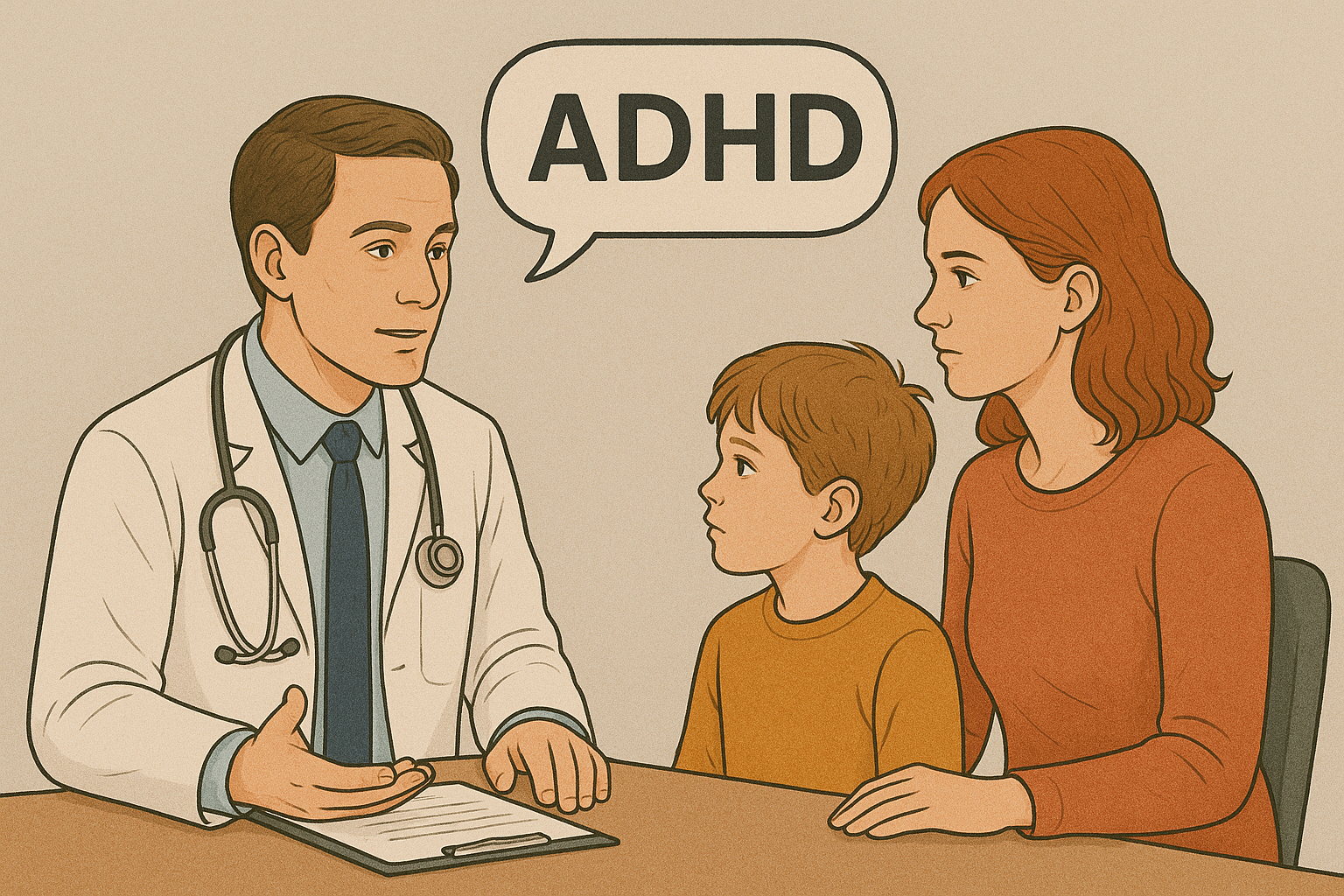
Psychoeducation involves providing clear, evidence-based information about ADHD. It helps individuals and families understand what ADHD is, how it affects the brain, what challenges may arise, and what strengths can be nurtured. Psychoeducation also reduces stigma and helps set realistic expectations for treatment and progress.
Who is Suitable for Coaching, Skills Training, and Psychoeducation?
These supports can be tailored for children, adolescents, and adults with ADHD, as well as their families or caregivers. Suitability depends on the individual’s needs, stage of life, and goals.
- Children with ADHD often benefit when parents or caregivers participate in psychoeducation and skills training. For example, parents may learn routines for homework time, while children are introduced to basic organisation skills.
- Adolescents can gain independence by learning effective study strategies, managing their schedules, and developing coping mechanisms for social and emotional challenges. Coaching can be particularly effective for teenagers who are beginning to take more responsibility for their learning and personal lives.
- Adults may use coaching to improve work performance, manage household responsibilities, or balance multiple roles. Skills training is useful for adults who struggle with organisation, time management, or completing long-term projects.
- Families and partners also benefit. Psychoeducation helps loved ones understand ADHD more clearly, reducing conflict and building a more supportive home environment.
Benefits of Coaching, Skills Training, and Psychoeducation
The benefits are broad and often life-changing. People frequently report that these supports help them feel more in control, more confident, and better understood by those around them.
Key benefits include:
- Improved understanding: Psychoeducation increases knowledge about ADHD, reducing frustration and stigma.
- Practical tools: Skills training provides strategies for planning, prioritising, and managing time and tasks.
- Better organisation: Clients learn how to create and maintain systems that suit their way of thinking.
- Stronger emotional regulation: Training and coaching can help reduce impulsivity and enable individuals to cope more effectively with stress and setbacks.
- Increased accountability: Coaching offers regular support and encouragement to help individuals follow through on their commitments.
- Enhanced self-esteem: As people see themselves succeeding with new strategies, their confidence grows.
- Improved family relationships: Families gain a clearer understanding of ADHD, leading to greater patience, improved communication, and enhanced teamwork.
- Greater independence: Adolescents and adults can gradually take more responsibility for managing their lives effectively.
Over time, these benefits often translate into improved academic performance, workplace success, healthier relationships, and a higher quality of life.
Types of Psychoeducation
- Individual sessions: Tailored education for individuals with ADHD, often supplemented with visual aids or written materials.
- Family or caregiver sessions: Providing education for parents, partners, or siblings to improve understanding and support at home.
- Group workshops: Group learning sessions that allow people to share experiences, ask questions, and learn together.
Types of Skills Training
- Time management workshops: Teaching techniques like using calendars, reminders, and task-breaking.
- Organisation training: Learning how to manage physical spaces (like a desk or backpack) and digital spaces (emails, files).
- Study and work strategies: Methods for note-taking, memory support, or structuring assignments and projects.
- Emotional regulation strategies: Teaching calming techniques, mindfulness, or coping strategies for frustration and stress.
Types of Coaching
- Individual coaching: One-to-one sessions focusing on personal goals, accountability, and problem-solving.
- Academic coaching: Specifically designed for students, helping with study schedules, assignment planning, and motivation.
- Workplace coaching: Supporting adults in professional settings to manage deadlines, meetings, and communication.
- Group coaching: Small groups that combine shared learning with individual accountability.
These formats can be combined and used in conjunction with each other, and many services now offer online or telehealth options to enhance accessibility.
Alternative Options to Coaching, Skills Training, and Psychoeducation
While these three approaches are highly effective for many, they are part of a broader range of ADHD support options. Alternatives or complements may include:
- Medication: Stimulants and non-stimulants can help improve attention, reduce impulsivity, and support overall functioning.
- Behavioural therapy: Particularly useful for children, focusing on shaping behaviour through structured routines and reinforcement.
- Cognitive-Behavioural Therapy (CBT): Helps adolescents and adults manage negative thought patterns, improve emotional regulation, and build coping strategies.
- Mindfulness and relaxation training: Supports self-awareness and stress management, often useful alongside other strategies.
- Occupational therapy: Helps individuals develop practical systems to manage daily tasks at school, work, or home.
- Peer support groups: Provide community connection, shared experiences, and encouragement from others living with ADHD.
- Lifestyle interventions: Regular exercise, balanced nutrition, good sleep, and limiting screen time can improve focus and overall well-being.
Choosing the right mix of options depends on individual needs, preferences, and the advice of healthcare professionals.
What to do Before a Coaching, Skills Training, Psychoeducation Session?
Before starting, it helps to take a few steps to prepare:
- Assessment: Your GP, psychologist, or ADHD specialist may first assess your needs, strengths, and challenges to see if these approaches will benefit you.
- Clarify goals: Think about what you want help with – organisation, time management, study strategies, family communication, or self-confidence.
- Gather background information: Bring any school reports, workplace feedback, or prior assessments that show how ADHD impacts daily life.
- Involve family (if relevant): For children or adolescents, parents or caregivers may be invited to participate, ensuring everyone understands the strategies and goals.
- Practical preparation: Write down questions, note situations that are particularly difficult, and keep an open mind about trying new approaches.
What Happens During a Coaching, Skills Training, or Psychoeducation Session?
The process typically involves combining information, practice, and ongoing support. Depending on the service, you may experience a mix of the following:
- Psychoeducation sessions: The clinician explains ADHD in clear language, covering how it affects attention, planning, emotions, and behaviour. Families may be included to help them better understand and support the individual.
- Skills training modules: Structured lessons focus on specific areas such as organising tasks, managing time, using reminders, or handling emotions. Practical strategies are taught step-by-step and then practised in real-life situations.
- Coaching sessions: A coach works one-to-one with you to set goals, create action plans, and keep you accountable. They help problem-solve when challenges come up and adapt strategies to fit your lifestyle.
- Interactive activities: You may use planners, apps, checklists, or role-play scenarios to practise techniques.
- Feedback and reflection: Each session usually includes reviewing progress, discussing what worked, and planning next steps.
What to Expect After a Coaching, Skills Training, or Psychoeducation Session?
After engaging in these supports, many people notice both small and significant improvements:
- Practical improvements: Better organisation, increased ability to finish tasks, improved study or work habits, and reduced forgetfulness.
- Greater awareness: A clearer understanding of ADHD and its impact on daily life.
- Improved relationships: Families often report fewer conflicts once everyone has shared strategies and expectations.
- Emotional benefits: Less frustration, improved self-confidence, and a greater sense of control.
- Gradual change: Progress may take weeks to months. New habits form slowly, and regular practice is needed for lasting results.
Coaching, Skills Training, or Psychoeducation Prognosis
The outlook for people who use these supports is generally positive:
- Children and families often learn to build supportive routines that reduce stress at home and school.
- Adolescents can develop independence, preparing them for secondary school, higher education, or first jobs.
- Adults often see improvements in work performance, household management, and relationships.
- When combined with other treatments, such as medication or therapy, coaching, skills training, and psychoeducation can significantly enhance quality of life and functioning.
- Long-term prognosis depends on engagement and consistency – people who practise strategies regularly usually gain the most lasting benefits.
Coaching, Skills Training, Psychoeducation Risks
These approaches are considered very safe. However, some points to be aware of include:
- Frustration or overwhelm: Trying new skills may feel challenging at first, and not every strategy works for every person.
- Variable outcomes: Some individuals may experience noticeable improvements quickly, while others may require more time or alternative support.
- Emotional reactions: Discussing challenges may temporarily bring up feelings of self-doubt or frustration. Support from the clinician or coach can help address this.
- Time and cost commitment: Regular sessions are often needed, which may be a consideration for families and individuals.
Overall, the risks are minimal compared to the potential benefits.
Who We Support
Our practice offers ADHD support for children (aged six and above), students, and adults of all ages, including both males and females. We also care for women during pregnancy, ensuring treatment is carefully tailored to balance effectiveness and safety.
We take a collaborative approach, working closely with a psychologist trained in supporting patients with ADHD. This ensures that medical treatment, therapy, and day-to-day coping strategies are integrated into a comprehensive care plan.
As part of our service, we also provide letters of support for schools or employers where needed, helping children, students, and adults receive appropriate adjustments and understanding in their learning or work environments.
Every treatment plan is personalised, combining medical options with psychological and lifestyle supports to improve focus, reduce symptoms, and promote long-term well-being.