
Non-Stimulants
What are Non-Stimulants?
Non-stimulant medicines are alternatives to the more commonly used stimulant medicines for Attention Deficit Hyperactivity Disorder (ADHD). They work differently from stimulants and are often considered when stimulants are not tolerated, are not effective, or are not suitable due to medical reasons. In some cases, non-stimulants may also be prescribed alongside stimulants for additional benefit.
Unlike stimulants, which act quickly and directly increase certain brain chemicals, such as dopamine, non-stimulants usually take longer to have an effect. They primarily influence norepinephrine, a brain chemical that aids in attention, focus, and emotional regulation.
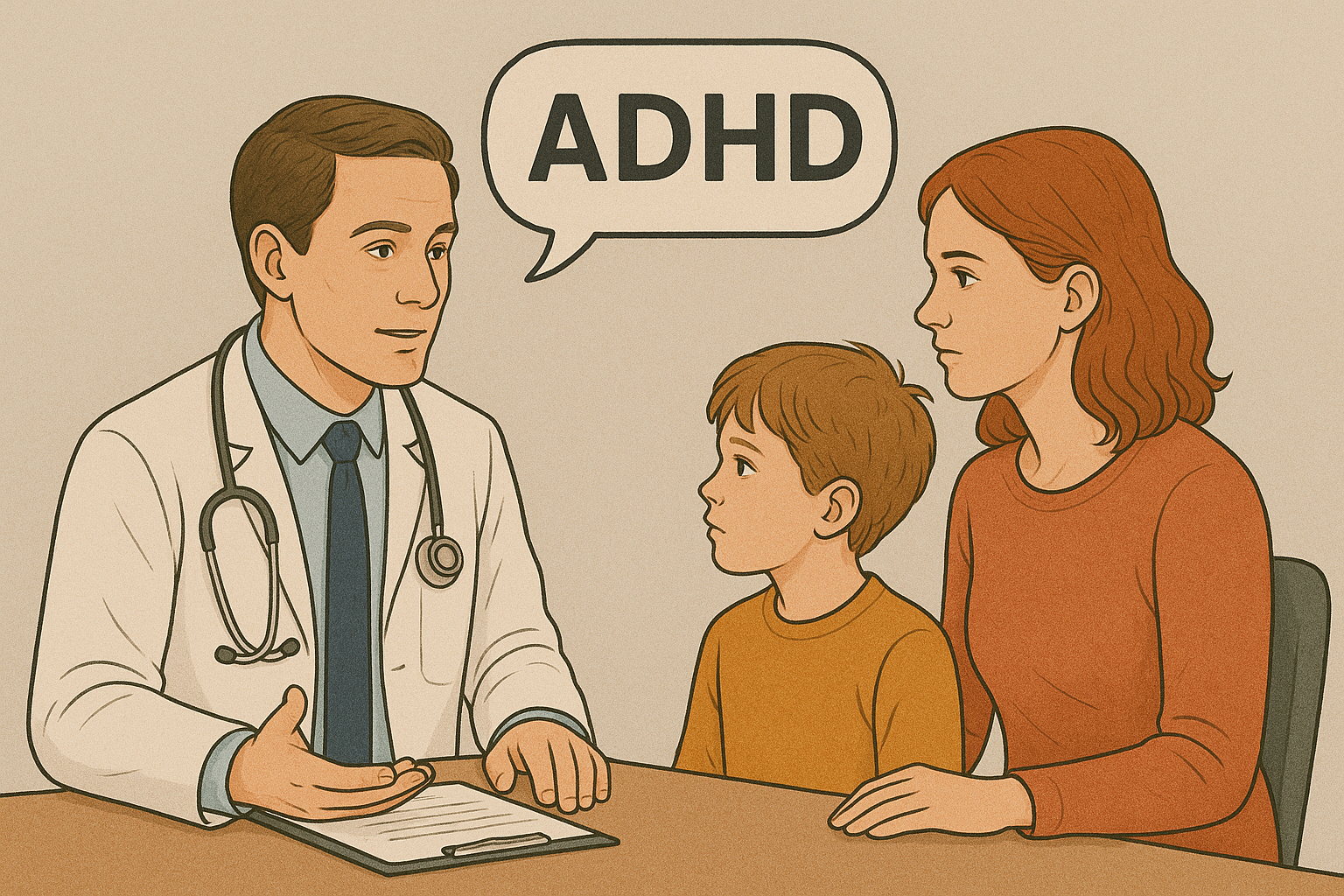
Who is Suitable for Non-Stimulants?
Non-stimulants may be recommended for:
- Individuals who cannot tolerate stimulants: Some people experience strong side effects, such as appetite suppression, sleep disturbance, or anxiety.
- Patients with specific medical conditions: Non-stimulants may be preferred if someone has a heart condition, tic disorder, or other health issues that make stimulants less safe.
- Children, adolescents, and adults where stimulants have not been effective: In cases where stimulants do not provide enough improvement, non-stimulants may be used instead or in combination.
- Those with co-existing issues: For example, clonidine may be used when ADHD is accompanied by sleep problems or aggressive behaviour.
Your doctor will carefully assess your medical history, current health, and response to previous treatments before recommending non-stimulants.
Benefits of Non-Stimulants
Non-stimulants can offer several important advantages:
- Alternative when stimulants aren’t suitable: They provide another option for managing ADHD symptoms.
- Steadier effect: Unlike stimulants, which may wear off during the day, non-stimulants often provide more continuous coverage.
- Less risk of misuse: Stimulant medicines carry a small risk of being misused; non-stimulants generally do not.
- Can target specific issues: For example, clonidine or guanfacine may also help with emotional regulation, aggression, or sleep difficulties.
- Combination use: In some cases, they are used alongside stimulants to enhance overall symptom control.
Types of Non-Stimulants
There are a few main types of non-stimulant medicines currently used in Australia:
- Atomoxetine:
- A selective norepinephrine reuptake inhibitor (SNRI).
- Helps improve concentration, reduce impulsivity, and manage hyperactivity.
- Usually takes several weeks to show its full effect.
- Guanfacine:
- Works on receptors in the brain linked to attention and emotional regulation.
- Sometimes prescribed for children and adolescents.
- May also help with irritability, aggression, and sleep difficulties.
- Clonidine:
- Originally used for blood pressure management.
- Can be helpful if ADHD is associated with significant sleep problems or aggressive behaviours.
- Sometimes used alongside stimulants.
Your doctor will explain which option may be best for you or your child and discuss potential side effects.
Prescribing and Regulation in Australia
Non-stimulant medicines must be prescribed by authorised practitioners, usually specialists such as paediatricians or psychiatrists. In some states, reforms are expanding the ability of specially trained GPs to prescribe under certain conditions.
Prescribing follows clear guidance, including the Australian Evidence-Based Clinical Practice Guideline for ADHD developed by the Australian ADHD Professionals Association (AADPA). These guidelines outline when medicines should be considered, how they should be monitored, and how they fit into a broader care plan that includes therapy and lifestyle support.
Alternative Options to Non-Stimulants
Non-stimulants are just one part of ADHD management. Alternatives and additional approaches include:
- Stimulant medications: Such as methylphenidate or dexamphetamine, which are often the first-line treatment.
- Lifestyle approaches: Healthy sleep routines, regular physical activity, and a balanced diet can support wellbeing and focus.
- Behavioural therapy: Skills training and counselling can help manage daily challenges and build coping strategies.
- Parent and family training: This can especially assist families in supporting routines, behaviour management, and school success for their children.
- School or workplace accommodations: Adjustments to workload, teaching style, or work environment can improve functioning.
What to do Before Starting Non-Stimulants?
Before starting non-stimulant medicines, your doctor will carry out a careful assessment. This may include:
- Medical history review: Checking for heart, liver, or blood pressure conditions that may influence the choice of medicine.
- Previous treatment response: Discussing how you or your child responded to stimulant medicines (if tried) and why non-stimulants are being considered.
- Co-existing issues: Identifying other health concerns such as sleep problems, tics, or aggression, where medicines like clonidine or guanfacine may be useful.
- Setting expectations: Understanding that non-stimulants usually take weeks, rather than days, to reach their full effect.
- Planning follow-up: Regular appointments will be scheduled to monitor the response and any side effects.
Patients and their families should prepare questions, discuss any concerns, and ensure that the treating doctor is aware of all other medications or supplements being used.
What Happens When Taking Non Stimulants?
When a non-stimulant medicine is started:
- Prescription and explanation: The doctor prescribes the medication, explains the dosage, and provides instructions on how and when to take it.
- Gradual adjustment: The dose may start low and increase slowly to reduce side effects and find the most effective balance.
- Daily routine: Medicines are usually taken once or twice daily, often in the morning or evening, depending on the type prescribed.
- Monitoring: Families, schools, or workplaces may be asked to provide feedback about behaviour, concentration, and emotional regulation.
- Ongoing support: Doctors may combine non-stimulants with other strategies, such as therapy or school support.
What to Expect After Taking Non-Stimulants?
After beginning treatment with non-stimulants:
- Time to effect: Improvements may be noticeable after 2–4 weeks, with full benefits sometimes taking longer to be realised.
- Symptom changes: Patients may experience steadier focus, reduced impulsivity, and improved emotional control throughout the day.
- Daily consistency: Unlike stimulants, which may wear off, non-stimulants tend to provide more continuous symptom coverage.
- Side effects: Some people may experience fatigue, dizziness, or digestive upset. These often improve as the body adjusts to them.
- Review appointments: Regular follow-ups ensure that the treatment is effective and well-tolerated.
Non-Stimulants Prognosis
With consistent use and medical supervision, non-stimulant medicines can:
- Improve attention, concentration, and task completion.
- Reduce hyperactivity and impulsivity.
- Support emotional regulation and reduce aggression in some cases.
- Enhance daily functioning in school, at work, and at home.
For many patients, non-stimulants alone are effective. For others, they may work best in combination with stimulants or alongside behavioural therapy. The prognosis is generally positive when treatment is tailored to the individual's specific needs.
Non-Stimulants Risks
As with any medication, there are potential risks and side effects, including:
- Tiredness or sedation: More common with guanfacine and clonidine.
- Digestive issues: Such as nausea, stomach upset, or reduced appetite.
- Changes in blood pressure or heart rate: These medicines can lower blood pressure, so monitoring is important.
- Sleep changes: Some may feel sleepy, while others may have difficulty sleeping.
- Emotional changes: Rarely, mood swings or irritability can occur.
- Liver health: Atomoxetine may very rarely affect liver function, so doctors may check this if symptoms suggest a problem.
Why Consider Non-Stimulants?
Delaying treatment with non-stimulants may mean:
- Continued difficulties with focus, organisation, and daily functioning.
- Ongoing challenges at school, work, or in relationships.
- Sleep or behavioural problems (in cases where clonidine or guanfacine might help) remaining unaddressed.
- Increased stress for families and caregivers.
While non-stimulants are not always the first choice, they can be an important option. Delaying treatment may prolong struggles with symptoms, though other supports, such as behavioural therapy, structured routines, and lifestyle changes, can still help while awaiting medication.
Who We Support
Our practice offers ADHD support for children (aged six and above), students, and adults of all ages, including both males and females. We also care for women during pregnancy, ensuring treatment is carefully tailored to balance effectiveness and safety.
We take a collaborative approach, working closely with a psychologist trained in supporting patients with ADHD. This ensures that medical treatment, therapy, and day-to-day coping strategies are integrated into a comprehensive care plan.
As part of our service, we also provide letters of support for schools or employers where needed, helping children, students, and adults receive appropriate adjustments and understanding in their learning or work environments.
Every treatment plan is personalised, combining medical options with psychological and lifestyle supports to improve focus, reduce symptoms, and promote long-term well-being.