
Lifestyle and Holistic Supports
Living with ADHD (Attention-Deficit/Hyperactivity Disorder) often requires more than just medication or therapy. Lifestyle and holistic supports are everyday strategies that improve wellbeing and help manage symptoms naturally. These approaches focus on areas such as sleep, exercise, nutrition, emotional health, and structured routines. They can be used in conjunction with medical treatments or as standalone supports, depending on the individual's needs.
What are Lifestyle and Holistic Supports?
Lifestyle and holistic supports refer to daily practices and natural strategies that promote mental health, enhance concentration, and mitigate ADHD challenges. They are not medications but instead focus on lifestyle choices, habits, and complementary therapies.
For people with ADHD, difficulties often appear in managing attention, controlling impulses, regulating emotions, and staying organised. Lifestyle strategies—such as having a regular sleep routine, exercising often, or eating a balanced diet—help stabilise mood, boost energy levels, and improve focus. Holistic supports may also include social skills training, mindfulness, or emotional regulation therapy, which build skills for everyday challenges.
These supports are most effective when combined with professional care from GPs, psychologists, and allied health specialists, but many can be started independently at home.
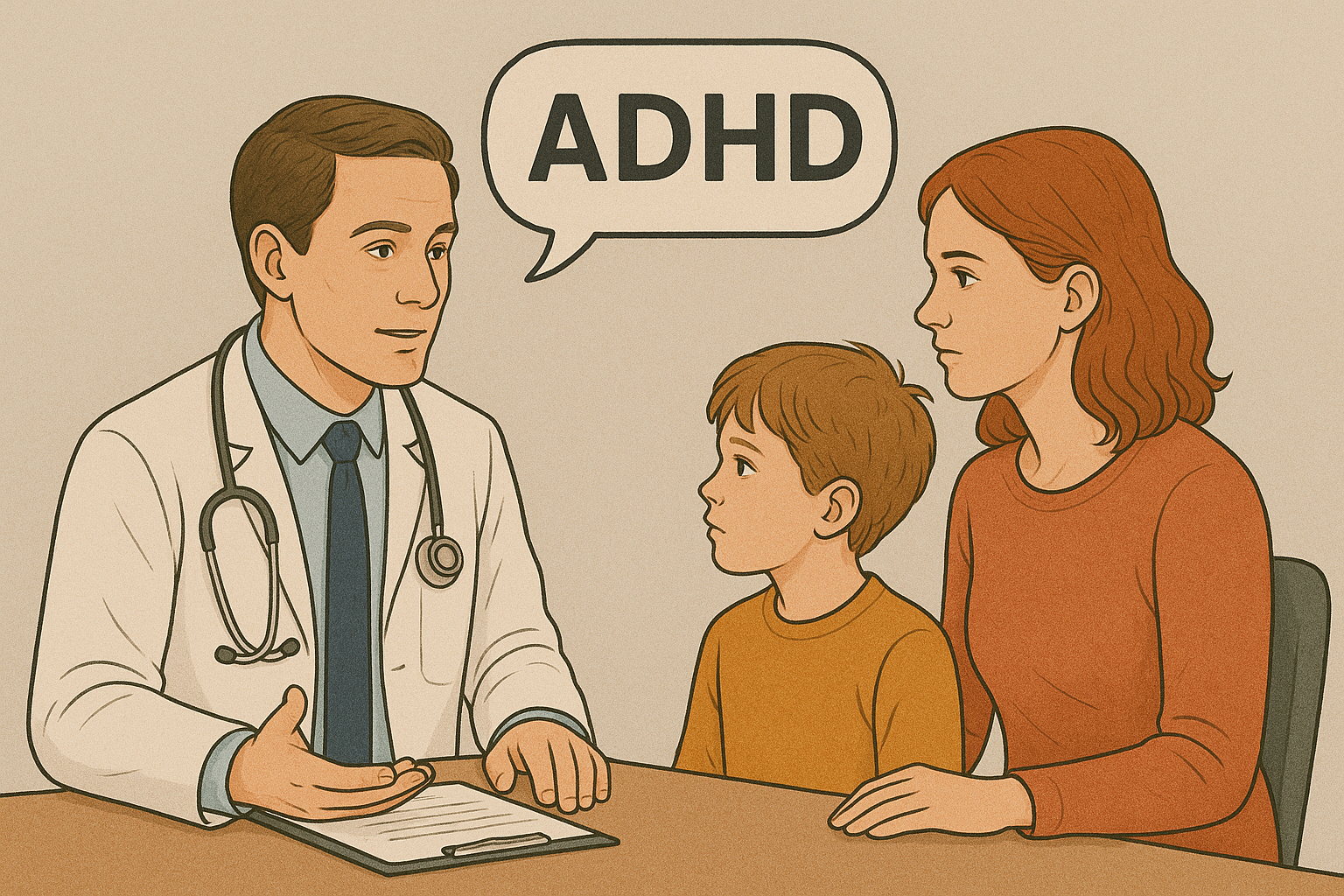
Who is Suitable for Lifestyle and Holistic Support?
Lifestyle and holistic supports can benefit almost anyone living with ADHD. They are suitable for:
- Children and teens: Helps create consistent routines, develop healthy habits, and support school performance.
- University students: Builds strategies for time management, study skills, and coping with academic stress.
- Adults: Supports work performance, relationships, and daily responsibilities.
- Pregnant women and breastfeeding mothers: A safe alternative or addition when medication may not be recommended.
- Families and caregivers: By learning about lifestyle supports, parents and partners can create a calmer, more structured home environment.
Benefits of Lifestyle and Holistic Supports
Adopting lifestyle and holistic strategies can make a noticeable difference in ADHD management. Benefits may include:
- Improved concentration: Regular exercise and adequate sleep enhance alertness and cognitive function.
- Better mood stability: A balanced diet and physical activity reduce mood swings and anxiety.
- Stronger emotional regulation: Techniques such as mindfulness and therapy enhance patience and reduce impulsive reactions.
- Healthy daily rhythm: Structured routines lower stress, improve organisation, and support productivity.
- Enhanced overall health: Exercise, sleep, and diet improve physical well-being, reducing the risk of other health problems.
- Reduced reliance on medication: While not a replacement for medical treatment, lifestyle strategies may lower the need for high doses of medication or help manage side effects.
Types of Lifestyle and Holistic Supports
There are several types of lifestyle and holistic supports recommended for ADHD:
1. Sleep Hygiene
- Consistent sleep and wake times
- Limiting screen use before bed
- Creating a quiet, dark, and comfortable environment
- Good sleep helps restore attention and regulate emotions.
2. Regular Exercise
- Activities like running, swimming, cycling, or team sports
- Builds concentration, reduces restlessness, and supports healthy brain function
- Even short daily activities, such as walking, can make a difference.
3. Balanced Diet
- Eating regular meals with fruits, vegetables, lean proteins, and whole grains
- Avoiding excessive sugar, caffeine, and processed foods that can worsen hyperactivity
- Drinking enough water to stay hydrated
4. Structured Routines
- Using planners, apps, or reminders to organise daily tasks
- Breaking big jobs into smaller steps
- Having set times for meals, study, exercise, and rest
5. Emotional Regulation Supports
- Therapy sessions focused on emotional control
- Breathing exercises, relaxation techniques, or yoga
- Identifying triggers and developing healthy responses
6. Social Skills Training
- Group or individual programs that teach communication, teamwork, and conflict management
- Particularly helpful for children and teens navigating friendships and classroom behaviour
7. Mindfulness and Meditation
- Short daily practices to improve awareness and reduce impulsivity
- Can be done through guided apps, breathing exercises, or professional classes
8. Complementary Therapies
- Some people explore supports like occupational therapy, art therapy, or coaching to build self-esteem and independence.
Alternative Options to Lifestyle and Holistic Supports
While lifestyle and holistic strategies are valuable, they may not be enough on their own for some people. Alternative or additional options include:
- Pharmacological treatments: Stimulant and non-stimulant medications are widely used and effective for many people with ADHD.
- Behavioural interventions: Parent training programs and classroom strategies help children develop positive behaviours.
- Cognitive Behavioural Therapy (CBT): A structured therapy that builds coping strategies and problem-solving skills.
- Coaching and psychoeducation: Provides practical guidance for time management, organisation, and self-awareness.
Most often, the best results are achieved by combining medication, therapy, and lifestyle supports into a comprehensive care plan. This “multimodal” approach ensures that biological, psychological, and social factors are all addressed.
What to do Before Starting a Lifestyle and Holistic Supports?
Before starting lifestyle and holistic supports, it helps to prepare so that changes feel practical and achievable:
- Consult your GP or psychologist: They can recommend lifestyle strategies most suited to your age, health, and ADHD symptoms.
- Assess your current habits: Keep a simple diary of your sleep, meals, exercise, and daily routines. This creates a clear starting point.
- Set realistic goals: Start small, such as aiming for an extra 30 minutes of sleep or incorporating a short daily walk.
- Gather resources: Planners, phone apps, reminders, or even support from family and friends can help you stay on track.
- Plan as a family: For children, parents and teachers must understand the new routines and provide consistent support.
What Happens During Lifestyle and Holistic Support Sessions?
Lifestyle and holistic supports are not a single session but an ongoing commitment. During this process:
- Daily habits are adjusted: Sleep routines, meal planning, and scheduled activities become more consistent.
- Exercise is introduced: Regular physical activity is incorporated into the week, helping to regulate energy levels and improve concentration.
- Mindfulness and coping strategies are practised: Breathing exercises, relaxation techniques, or guided meditation may be included.
- Skills are taught and reinforced: Social skills training or emotional regulation therapy may be provided in sessions with a psychologist or therapist.
- Progress is tracked: Using journals, apps, or check-ins with a health professional ensures that supports are working and adjustments can be made.
What to Expect After Lifestyle and Holistic Support Sessions?
With time and consistency, lifestyle and holistic supports can improve both ADHD symptoms and overall well-being. Patients and families may notice:
- Better focus and attention: Daily tasks become easier to manage.
- Improved emotional balance: Fewer outbursts, less irritability, and calmer reactions to stress.
- Enhanced sleep quality: Feeling more rested and alert during the day.
- Healthier body and mind: Benefits from balanced nutrition and regular activity.
- Stronger social connections: Improved communication skills and confidence in group settings.
Improvements usually build gradually over weeks to months. Families and individuals may need patience, as changes are most effective when they are maintained over the long term.
Lifestyle and Holistic Supports Prognosis
While these strategies may not completely replace medical treatments, they often:
- Enhance the benefits of medication or therapy.
- Reduce reliance on higher doses of medication.
- Promote independence and self-management skills.
- Provide lifelong healthy habits that support wellbeing beyond ADHD.
Children who learn good routines early often carry these skills into adulthood, while adults can experience meaningful improvements in productivity, relationships, and daily stability.
Lifestyle and Holistic Supports Challenges
Lifestyle and holistic supports are generally safe, but a few considerations include:
- Frustration with change: Starting new routines can feel overwhelming, leading to discouragement if progress is slow.
- Inconsistency: Without support, it may be challenging to maintain new habits, which can limit their effectiveness.
- Over-reliance: Lifestyle supports alone may not be enough for some people, particularly those with moderate to severe ADHD symptoms.
- Unproven complementary therapies: Some alternative treatments lack strong evidence, so it’s important to discuss any new therapy with your healthcare provider before starting.
Why Consider Lifestyle and Holistic Supports?
The earlier lifestyle supports are introduced, the sooner individuals can build strong foundations for long-term wellbeing. Even small changes, started gradually, can lead to meaningful improvements over time.
Who We Support
Our practice offers ADHD support for children (aged six and above), students, and adults of all ages, including both males and females. We also care for women during pregnancy, ensuring treatment is carefully tailored to balance effectiveness and safety.
We take a collaborative approach, working closely with a psychologist trained in supporting patients with ADHD. This ensures that medical treatment, therapy, and day-to-day coping strategies are integrated into a comprehensive care plan.
As part of our service, we also provide letters of support for schools or employers where needed, helping children, students, and adults receive appropriate adjustments and understanding in their learning or work environments.
Every treatment plan is personalised, combining medical options with psychological and lifestyle supports to improve focus, reduce symptoms, and promote long-term well-being.